In 2007, a team of physicists from the Massachusetts Institute of Technology (MIT), led by Professor Marin Soljacic invented a new technology for wireless power transfer and filed the earliest patents covering this revolutionary technology. Professor Soljačić and team proved the magnetic fields of two properly designed devices with closely matched resonant frequencies can couple into a single continuous magnetic field, enabling the transfer of power from one device to the other at high efficiency and over a distance range that is useful for real-world applications.

Dubbed “highly resonant wireless power transfer” – the team demonstrated the technology by illuminating a 60-watt light bulb from a power source over 2 meters away (as published in the prestigious journal Science in July 2007). More important than simply proving they could illuminate a light bulb, the experiment validated their theoretical models of how electric power is wirelessly transferred as a function of the geometry, distance and electrical properties of the devices used.
Coupled resonators are said to operate in a strongly coupled regime if their energy transfer rate is substantially higher than the rate at which they lose energy due to factors such as material absorption and radiation. In the strongly coupled regime, energy transfer can be very efficient. These considerations are universal, applying to all kinds of resonances (e.g., acoustic, mechanical, electromagnetic, et cetera).
Soljačić and his colleagues at MIT (Karalis and Joannopoulos) set out to explore and develop the physical theory of how to enable strongly coupled resonators to transfer power over distances to enable the kind of wireless device charging that Soljačić first imagined.
 Validating theories — Once the physical theories were developed, Soljačić and his team (Andre Kurs, Ph.D., Aristeidis Karalis, ScD, Robert Moffatt, John D. Joannopoulos, Ph.D., Peter Fisher, Ph.D.) set out to validate them experimentally. The theory was developed to cover a broad range of coupled resonator systems, but the experimental work focused on proving that magnetically coupled resonators could exchange energy in the manner predicted by the theory and required for the wireless charging of devices, such as mobile phones.
 Electro-magnetic resonators — The team explored a system of two electro-magnetic resonators coupled through their magnetic fields. They were able to identify the strongly coupled regime in this system, and showed that strong coupling could be achieved over distances that greatly exceeded the size of the resonant objects themselves.
 Published findings — The team had proven that in this strongly coupled regime, efficient wireless power transfer could be enabled. Their successful experiment was published in the journal, Science, in 2007.
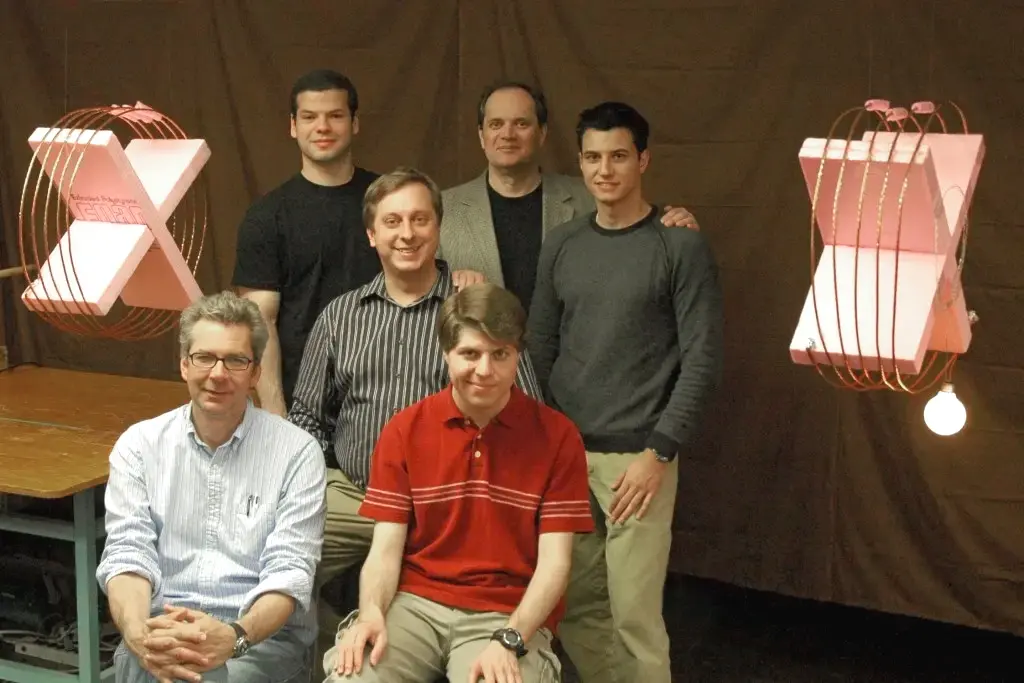
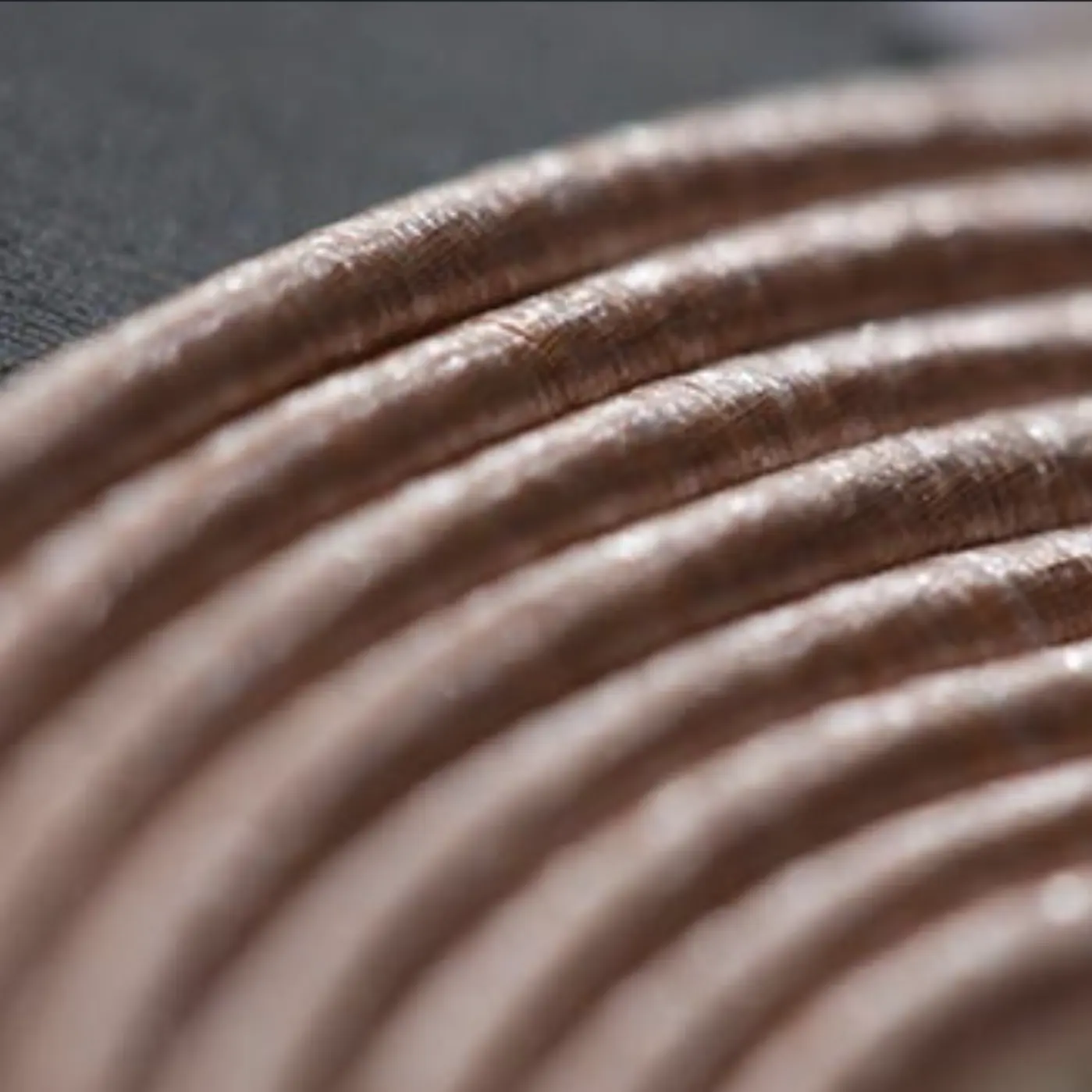
 Experimental setup and proof of concept — The experimental design consisted of two copper coils, each a self-resonant system. One of the coils, connected to an AC power supply, was the resonant source. The other coil, the resonant capture device, was connected to a 60 watt light bulb. The power source and capture device were suspended in mid-air with nylon thread, at distances that ranged from a few centimeters to over 2.5 meters (8.2 ft)
 Efficient power transfer through obstacles — Not only was the light bulb illuminated, but the theoretical predictions of high efficiency over distance were proven experimentally. By placing various objects between the source and capture device, the team demonstrated how the magnetic near field can transfer power through certain materials and around metallic obstacles.
 From lab to production — Thus, Prof. Soljačić’s dream of finding a method to wirelessly connect mobile electric devices to the existing electric grid was realized.
The team of MIT scientists that built the experiment to demonstrate non-radiative wireless energy transfer. Note that they are positioned between the experimental power source coil and the power capture coil —as 60 watts of power are being safely transferred a distance of over seven feet to illuminate the light bulb. (first row, from left: Peter Fisher, Robert Moffatt; center: Marin Soljačić; back row, from left: Andre Kurs, John Joannopoulos, Aristeidis Karalis)